- Monday-Friday 8AM-5PM
- 2100 N Wilmot Rd. Suite 310 Tucson, AZ 85712
- Call Us 520-272-1167

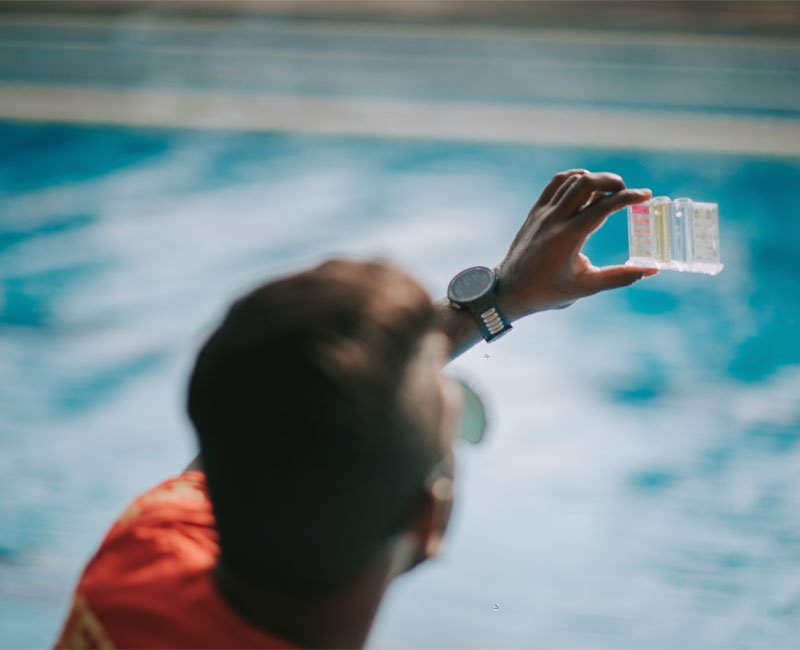
Visual Pool Inspections in Tucson, Oro Valley & Vail
Whether you’re buying a home, selling your property, preparing for a renovation, or simply want peace of mind about your pool’s condition, a professional pool inspection can help identify issues before they become expensive repairs. At Luna Pool Service, we provide comprehensive visual pool inspections that evaluate the overall condition of your pool, equipment, and essential operating systems. Our detailed inspections help homeowners throughout Tucson, Oro Valley, and Vail make informed decisions while protecting the value, safety, and performance of their swimming pool.
With more than 17 years of experience, our CPO-certified technicians carefully inspect your pool’s structure, circulation equipment, plumbing components, safety features, and visible mechanical systems to identify signs of wear, damage, or potential failures. Every inspection includes clear documentation, honest recommendations, and practical guidance to help you understand your pool’s condition. Whether additional Pool Water Testing is recommended, equipment concerns involve Pumps & Filtration components, or repairs are needed for Heaters & Automation systems, our inspections provide the information you need to confidently plan maintenance, repairs, or future upgrades.
What’s Included in Our Visual Pool Inspections
- Thorough inspection of the pool surface, tile, coping, and visible structural components for signs of damage or wear.
- Evaluation of pumps, filters, heaters, automation systems, and other major pool equipment for proper operation.
- Inspection of plumbing components, skimmers, return fittings, and visible connections for leaks or performance concerns.
- Assessment of pool lighting, electrical components, and accessible safety features for functionality and condition.
- Identification of visible equipment deficiencies, maintenance concerns, and recommended repairs or upgrades.
- Detailed written inspection report outlining findings, observations, and professional recommendations.
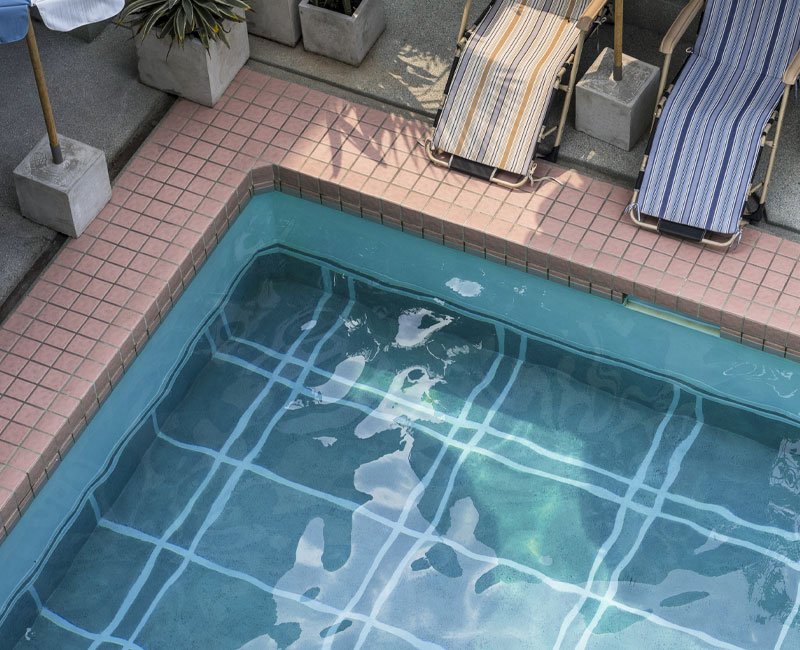
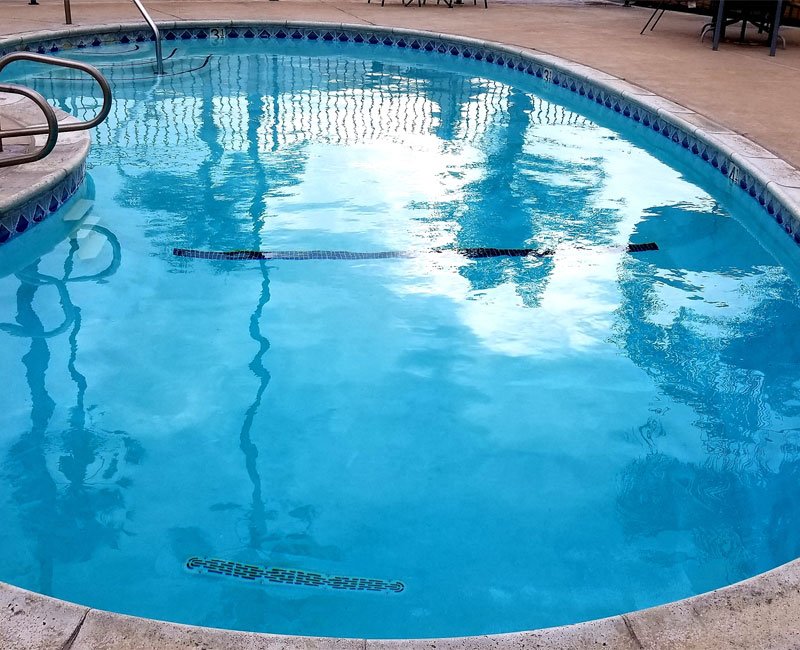
A professional visual pool inspection provides valuable insight into the overall condition of your swimming pool before small concerns become major repairs. Our detailed inspections help homeowners identify equipment wear, potential safety issues, circulation problems, and visible structural concerns while providing clear recommendations for maintenance, repairs, or future improvements. Whether you’re purchasing a home, preparing to sell, or simply protecting your investment, our inspections give you the information needed to make confident decisions about your pool.
Why Choose Luna Pool Service for Pool Inspections?
A professional pool inspection is one of the best ways to protect your investment and avoid unexpected repair costs. With more than 17 years of experience, Luna Pool Service provides thorough visual pool inspections that help homeowners identify potential problems before they become major issues. Our CPO-certified technicians take the time to evaluate your pool’s overall condition, explain our findings clearly, and provide honest recommendations based on what your pool actually needs.
Whether you’re purchasing a home, preparing to sell your property, or simply evaluating the condition of an existing pool, our inspections provide valuable insight into your pool’s structure, equipment, and overall performance. We believe every customer deserves accurate information, dependable service, and straightforward recommendations that help them make informed decisions while protecting the long-term safety, efficiency, and value of their swimming pool.
Visual Pool Inspections FAQs
Answers to common questions about professional pool inspections.
When should I schedule a visual pool inspection?
A visual pool inspection is recommended before buying or selling a home, after severe weather, before opening your pool for the season, or anytime you notice changes in your pool’s performance. Routine inspections can help identify developing problems before they become costly repairs.
What does a visual pool inspection include?
Our inspections include a thorough evaluation of your pool’s visible structure, equipment, plumbing components, circulation system, lighting, safety features, and accessible mechanical systems. We also provide a detailed report outlining our findings and recommendations.
Will I receive a written inspection report?
Yes. Every visual pool inspection includes a detailed written report that documents the condition of your pool, identifies any visible concerns, and provides professional recommendations for maintenance, repairs, or equipment upgrades.
Can you inspect saltwater pools?
Absolutely. We inspect both traditional chlorine pools and saltwater pools, including visible salt system components, equipment, circulation systems, and overall pool condition to help ensure everything is operating properly.
What happens if you find a problem during the inspection?
If we discover equipment issues, safety concerns, or signs of wear during the inspection, we’ll explain our findings, answer your questions, and provide honest recommendations for any repairs or maintenance that may be needed. Our goal is to help you make informed decisions without unnecessary pressure.
Why choose Luna Pool Service for visual pool inspections?
With more than 17 years of experience and CPO-certified technicians, Luna Pool Service provides detailed visual pool inspections for homeowners throughout Tucson, Oro Valley, and Vail. We deliver accurate assessments, straightforward recommendations, and professional reports that help you better understand your pool’s condition while protecting your investment for years to come.


Request a Free Quote for Pool Inspections in Tucson & Vail
Error: Contact form not found.