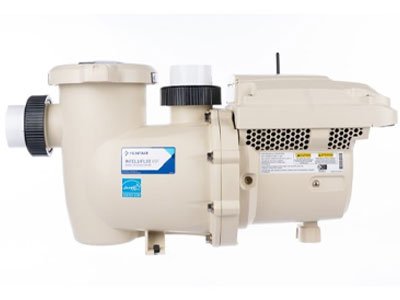
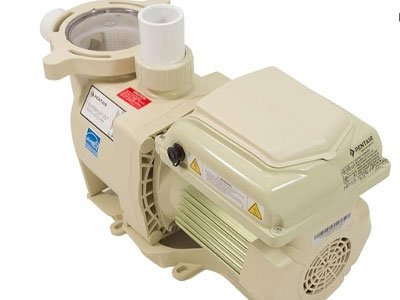
Justin and his Staff did an excellent job replacing my pool pump. They were punctual with their appointment times, did the work quickly and correctly, and spent additional time with me explaining how my new pool pump worked. A+ customer service!!! I recommend you give Luna Pools a try. They are awesome!!!
Patrick Howard
Justin/Luna have been doing my pool for many years now and I have always been exceptionally pleased with everything. Justin knows knows pools and everything about them inside and out and it's always a fast accurate diagnosis of problems with water or equipment. Service is always punctual and accommodating. I can't recommend this company enough.
Fran Garcia
We received three estimates for some planned pool repairs. Two of the contractors were only interested in completing the easier parts of the work requested. Not only was Justin willing to do the entire job, his estimate was extremely well written, thorough and competitive against the other estimates. We signed a contract with Luna Pool Service and Justin started the job a few days later. He kept his appointment times, apprised of the progress of the repairs, completed the job in day and completely cleaned up after himself. We will definitely contact Justin again should there be any need for pool service.
Tom Charles
I have had Justin and his crew servicing my pool for at least four years now. Everytime I contact Justin regarding my pool he gets back to me within a reasonable amount of time, and let’s me know what the service will cost. There are no surprises! And no unreasonable fees! His crew does a great job keeping my pool clean all year long. It has never looked better!
Cindy GL
I was very impressed with Luna Pool Service. Justin replied to my phone call immediately. Excellent customer service. Replaced my Hayward Pump System with a Pentair System. My pool is up and running. I highly recommend this company. Reasonable prices. Great work ethic, very conscience with the repairs. Clear and concise communication.
Very impressed with Justin.
equipment, pool repairs, repair, pool maintenance, pool care, pool opening, pool repair services, pool company, pool restoration tucson, pool cleaning pool, pool cleaning services, tucson pool service, pool contractor, pool repair, swimming pool service, pool service company, pool service, pool equipment repair, leak detection, leak, repair pool, pool leak detection, pool service tucson, repairs
Frequently Asked Questions
What signs indicate that my pool equipment is failing and needs repair?
Signs that your pool equipment is failing and needs repair include unusual noises, decreased water circulation, cloudy water, frequent filter clogging, and erratic temperature readings from heaters. Addressing these issues promptly can prevent further damage and costly repairs.
How do I know if my pool equipment needs repair or replacement?
Determining if your pool equipment needs repair or replacement involves observing for signs such as unusual noises, decreased performance, leaks, or age-related wear. If you notice these issues, it’s best to consult a professional for an accurate assessment.
What should I consider when comparing equipment brands used by pool repair companies?
When comparing equipment brands used by pool repair companies, consider factors such as reliability, warranty options, customer reviews, and the availability of replacement parts to ensure long-lasting performance and service satisfaction.
What should I look for in a qualified pool equipment repair technician?
When looking for a qualified pool equipment repair technician, prioritize experience, certifications, and customer reviews. A reputable technician should have a solid track record in diagnosing and repairing various pool systems, ensuring reliable service.
What are the signs that my pool equipment needs repair or replacement?
The signs that your pool equipment needs repair or replacement include unusual noises, leaks, reduced water flow, inconsistent heating, and frequent breakdowns. If you notice any of these issues, it’s essential to consult a professional for assessment.
How do I know when its time to replace versus repair pool equipment?
Knowing when to replace versus repair pool equipment involves assessing the age, frequency of repairs, and overall performance. If equipment is consistently failing or over 10 years old, replacement may be the more cost-effective option.
What signs indicate that my pool equipment may need repair or replacement?
Signs that your pool equipment may need repair or replacement include unusual noises, decreased water flow, leaks, inconsistent heating, and frequent cycling of the pump. Addressing these issues promptly can help maintain your pool's efficiency and safety.
What are the most common pool equipment repair issues in Rancho Cucamonga?
The most common pool equipment repair issues in Rancho Cucamonga include malfunctioning pumps, filtration system failures, heater breakdowns, and lighting problems. Regular maintenance can help prevent these issues and ensure optimal pool performance.
How long does it typically take to repair pool equipment in Scottsdale?
The typical time to repair pool equipment in Scottsdale varies based on the issue, but most repairs can be completed within a few hours to a couple of days, depending on parts availability and the complexity of the repair.
How often should I schedule professional repair services for my pool equipment?
Scheduling professional repair services for your pool equipment should be done at least once a year, or more frequently if you notice any issues or irregularities. Regular maintenance ensures optimal performance and longevity of your pool systems.
What signs indicate that my pool equipment needs immediate repair or replacement?
Signs that indicate your pool equipment needs immediate repair or replacement include unusual noises, leaks, decreased water flow, inconsistent heating, or malfunctioning lighting. Prompt attention to these issues can prevent further damage and ensure optimal pool performance.
What factors influence the pricing of pool equipment repair services in Scottsdale?
The factors influencing the pricing of pool equipment repair services in Scottsdale include the type of repair needed, the complexity of the issue, the cost of replacement parts, and the service provider's expertise and reputation.
What factors influence the cost of pool equipment repair in Scottsdale?
The factors that influence the cost of pool equipment repair in Scottsdale include the type and extent of the damage, the specific equipment needing repair, labor costs, and the availability of replacement parts.
What tools are essential for pool equipment repair?
The essential tools for pool equipment repair include a multimeter for electrical diagnostics, wrenches for tightening fittings, screwdrivers for assembly, and a vacuum gauge for filtration systems. These tools ensure accurate and efficient repairs.
How can I identify pool equipment leaks?
Identifying pool equipment leaks involves checking for visible water loss, inspecting connections and seals for moisture, and monitoring water levels regularly. Additionally, listen for unusual sounds from pumps and look for wet spots around equipment.
What maintenance tips extend pool equipment lifespan?
Regular maintenance tips to extend pool equipment lifespan include cleaning filters, checking chemical balance, inspecting and lubricating moving parts, and winterizing equipment properly. These practices help prevent damage and ensure optimal performance.
How do I choose a reliable repair service?
Choosing a reliable repair service involves checking their credentials, reading customer reviews, and confirming their experience with specific pool equipment. Ensure they offer warranties and transparent pricing for peace of mind.
What are common signs of pool equipment wear?
Common signs of pool equipment wear include unusual noises from pumps, decreased water circulation, leaks in filtration systems, inconsistent heating, and dim or flickering pool lights. Regular maintenance can help identify these issues early.
How can I prevent pool equipment malfunctions?
Preventing pool equipment malfunctions involves regular maintenance, including cleaning filters, checking water chemistry, and inspecting all components for wear. Scheduling professional inspections can also help identify potential issues before they become serious problems.
What certifications should a repair technician have?
Repair technicians should have relevant certifications such as CPO (Certified Pool Operator), APSP (Association of Pool & Spa Professionals) certification, and specific manufacturer certifications for pool equipment. These credentials ensure they possess the necessary knowledge and skills for quality service.
How often should I inspect my pool equipment?
Regular inspection of your pool equipment is essential for optimal performance. It's recommended to inspect your pool equipment at least once a month to identify any potential issues and ensure everything is functioning properly.
What are the benefits of regular pool maintenance?
The benefits of regular pool maintenance include enhanced water quality, prolonged equipment lifespan, and reduced repair costs. Consistent upkeep ensures a safe swimming environment and maximizes your enjoyment of the pool throughout the year.
How do seasonal changes affect pool equipment?
Seasonal changes significantly affect pool equipment by influencing its performance and longevity. Factors such as temperature fluctuations, increased debris, and varying water chemistry can lead to wear and tear, necessitating regular maintenance and timely repairs to ensure optimal operation.
What should I do if my pool equipment breaks?
If your pool equipment breaks, the first step is to turn off the power to avoid further damage. Then, assess the issue and contact a professional service like Luna Pool Service for a thorough diagnosis and repair.
How can I improve my pools energy efficiency?
Improving your pool's energy efficiency involves upgrading to a variable-speed pump, using a solar cover, maintaining proper water levels, and regularly servicing your equipment. These steps can significantly reduce energy consumption and costs.
What are the latest technologies in pool equipment?
The latest technologies in pool equipment include energy-efficient variable-speed pumps, advanced filtration systems, smart automation controls, and LED lighting. These innovations enhance performance, reduce energy costs, and improve overall pool maintenance efficiency.
How do I troubleshoot common pool equipment issues?
Troubleshooting common pool equipment issues involves checking for power supply, inspecting filters for clogs, ensuring proper water levels, and examining connections for leaks. Regular maintenance can help prevent these problems from arising.
What warranties are available for pool equipment repairs?
The warranties available for pool equipment repairs typically include manufacturer warranties on parts and a service warranty from Luna Pool Service, ensuring quality workmanship and customer satisfaction for all repairs conducted.
How can I find affordable pool repair services?
Finding affordable pool repair services involves researching local providers, comparing quotes, and checking customer reviews. Consider asking for recommendations and look for companies that offer transparent pricing and quality service, like Luna Pool Service in Tucson, Oro Valley, and Vail.
What are the best practices for pool equipment storage?
The best practices for pool equipment storage include keeping equipment in a dry, shaded area to prevent damage, securing it to avoid theft, and regularly inspecting for wear and tear. Additionally, ensure all items are clean and properly maintained before storage.
Luna Pool Service offers expert pool repair solutions tailored to meet the diverse needs of pool owners in Tucson, Oro Valley, and Vail. Our team is equipped with the latest tools and knowledge to diagnose and resolve any pool-related issues efficiently, ensuring your pool remains a safe and enjoyable environment.
From minor repairs to major overhauls, we handle everything with professionalism and care. Our services include thorough inspections, prompt repairs, and comprehensive maintenance plans that cater to both residential and commercial pools, ensuring long-lasting performance and satisfaction.
Comprehensive Pool Maintenance Plans
To keep your pool in top condition, Luna Pool Service provides comprehensive maintenance plans that cover all aspects of pool care. These plans can be customized to fit your specific needs, whether you require weekly cleanings, chemical balancing, or equipment checks.
Our maintenance packages not only extend the life of your pool equipment but also enhance the overall swimming experience. By regularly monitoring and maintaining your pool, we help prevent costly repairs and ensure a crystal-clear swimming environment for you and your family.
Understanding Pool Equipment and Technology
With the advancements in pool technology, understanding your pool equipment is crucial for effective maintenance. Luna Pool Service educates our clients on the various components of pool systems, including pumps, filters, heaters, and automation systems, so you can make informed decisions about your pool care.
We provide detailed explanations and demonstrations of how each piece of equipment functions, ensuring you are well-equipped to manage your pool's needs. This knowledge empowers you to recognize potential issues early and appreciate the importance of professional service.
Why Choose Luna Pool Service?
Choosing Luna Pool Service means opting for reliability, expertise, and a customer-first approach. Our family-owned business prides itself on delivering exceptional service and building lasting relationships with our clients in Tucson, Oro Valley, and Vail.
We are committed to transparency, quality workmanship, and timely service. Our satisfied customers consistently recommend us for our professionalism and dedication, making us a trusted choice for all your pool repair and maintenance needs.
luna pool serviceluna poolspool repair 85712pool heater repair tucsonswimming pool repair tucsonpool equipment repair Tucsonpool pump repairpool filter replacementpool heater troubleshootingpool leak detection servicesswimming pool equipment diagnosticsemergency pool repair Arizonapool heater repair near mepool pump repair vailpool heater repairpool pump repair near mepool maintenance tucson azpool equipment repair oro valley az
Luna Pool Service is Tucson's trusted expert for pool pump repair, diagnosis, and replacement. Whether your pump is losing prime, running loudly, tripping the breaker, or failing to circulate water properly, our CPO-certified technicians identify the root cause and restore full functionality fast. We service all major pump brands including Pentair, Hayward, and Jandy across Tucson, Vail, and the surrounding areas.
Pump & Filtration System Diagnostics
Our repair process includes a full equipment inspection covering the pump motor, impeller, seals, and filtration system. We address pump failures, filter pressure issues, and plumbing leaks that reduce circulation efficiency. Proper pump operation is the foundation of clean, safe pool water — don't ignore the warning signs.
Pool Repair Services Throughout Tucson
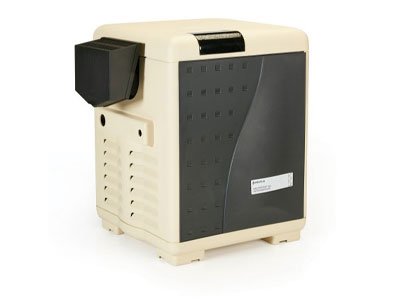
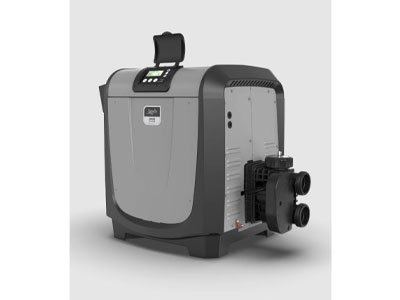
Beyond pump repair, Luna Pool Service handles heater repair, lighting repair, salt system troubleshooting, and full equipment replacement. We also serve pool owners in Oro Valley and Vail. If you need pool repair in Oro Valley, our dedicated Oro Valley service page covers all local pool repair needs in that area.
equipment, pool repairs, repair, pool maintenance, pool care, pool opening, pool repair services, pool company, pool restoration tucson, pool cleaning pool, pool cleaning services, tucson pool service, pool contractor, pool repair, swimming pool service, pool service company, pool service, pool equipment repair, leak detection, leak, repair pool, pool leak detection, pool service tucson, repairs
Frequently Asked Questions
What signs indicate that my pool equipment is failing and needs repair?
Signs that your pool equipment is failing and needs repair include unusual noises, decreased water circulation, cloudy water, frequent filter clogging, and erratic temperature readings from heaters. Addressing these issues promptly can prevent further damage and costly repairs.
How do I know if my pool equipment needs repair or replacement?
Determining if your pool equipment needs repair or replacement involves observing for signs such as unusual noises, decreased performance, leaks, or age-related wear. If you notice these issues, it’s best to consult a professional for an accurate assessment.
What should I consider when comparing equipment brands used by pool repair companies?
When comparing equipment brands used by pool repair companies, consider factors such as reliability, warranty options, customer reviews, and the availability of replacement parts to ensure long-lasting performance and service satisfaction.
What should I look for in a qualified pool equipment repair technician?
When looking for a qualified pool equipment repair technician, prioritize experience, certifications, and customer reviews. A reputable technician should have a solid track record in diagnosing and repairing various pool systems, ensuring reliable service.
What are the signs that my pool equipment needs repair or replacement?
The signs that your pool equipment needs repair or replacement include unusual noises, leaks, reduced water flow, inconsistent heating, and frequent breakdowns. If you notice any of these issues, it’s essential to consult a professional for assessment.
How do I know when its time to replace versus repair pool equipment?
Knowing when to replace versus repair pool equipment involves assessing the age, frequency of repairs, and overall performance. If equipment is consistently failing or over 10 years old, replacement may be the more cost-effective option.
What signs indicate that my pool equipment may need repair or replacement?
Signs that your pool equipment may need repair or replacement include unusual noises, decreased water flow, leaks, inconsistent heating, and frequent cycling of the pump. Addressing these issues promptly can help maintain your pool's efficiency and safety.
What are the most common pool equipment repair issues in Rancho Cucamonga?
The most common pool equipment repair issues in Rancho Cucamonga include malfunctioning pumps, filtration system failures, heater breakdowns, and lighting problems. Regular maintenance can help prevent these issues and ensure optimal pool performance.
How long does it typically take to repair pool equipment in Scottsdale?
The typical time to repair pool equipment in Scottsdale varies based on the issue, but most repairs can be completed within a few hours to a couple of days, depending on parts availability and the complexity of the repair.
How often should I schedule professional repair services for my pool equipment?
Scheduling professional repair services for your pool equipment should be done at least once a year, or more frequently if you notice any issues or irregularities. Regular maintenance ensures optimal performance and longevity of your pool systems.
What signs indicate that my pool equipment needs immediate repair or replacement?
Signs that indicate your pool equipment needs immediate repair or replacement include unusual noises, leaks, decreased water flow, inconsistent heating, or malfunctioning lighting. Prompt attention to these issues can prevent further damage and ensure optimal pool performance.
What factors influence the pricing of pool equipment repair services in Scottsdale?
The factors influencing the pricing of pool equipment repair services in Scottsdale include the type of repair needed, the complexity of the issue, the cost of replacement parts, and the service provider's expertise and reputation.
What factors influence the cost of pool equipment repair in Scottsdale?
The factors that influence the cost of pool equipment repair in Scottsdale include the type and extent of the damage, the specific equipment needing repair, labor costs, and the availability of replacement parts.
What tools are essential for pool equipment repair?
The essential tools for pool equipment repair include a multimeter for electrical diagnostics, wrenches for tightening fittings, screwdrivers for assembly, and a vacuum gauge for filtration systems. These tools ensure accurate and efficient repairs.
How can I identify pool equipment leaks?
Identifying pool equipment leaks involves checking for visible water loss, inspecting connections and seals for moisture, and monitoring water levels regularly. Additionally, listen for unusual sounds from pumps and look for wet spots around equipment.
What maintenance tips extend pool equipment lifespan?
Regular maintenance tips to extend pool equipment lifespan include cleaning filters, checking chemical balance, inspecting and lubricating moving parts, and winterizing equipment properly. These practices help prevent damage and ensure optimal performance.
How do I choose a reliable repair service?
Choosing a reliable repair service involves checking their credentials, reading customer reviews, and confirming their experience with specific pool equipment. Ensure they offer warranties and transparent pricing for peace of mind.
What are common signs of pool equipment wear?
Common signs of pool equipment wear include unusual noises from pumps, decreased water circulation, leaks in filtration systems, inconsistent heating, and dim or flickering pool lights. Regular maintenance can help identify these issues early.
How can I prevent pool equipment malfunctions?
Preventing pool equipment malfunctions involves regular maintenance, including cleaning filters, checking water chemistry, and inspecting all components for wear. Scheduling professional inspections can also help identify potential issues before they become serious problems.
What certifications should a repair technician have?
Repair technicians should have relevant certifications such as CPO (Certified Pool Operator), APSP (Association of Pool & Spa Professionals) certification, and specific manufacturer certifications for pool equipment. These credentials ensure they possess the necessary knowledge and skills for quality service.
How often should I inspect my pool equipment?
Regular inspection of your pool equipment is essential for optimal performance. It's recommended to inspect your pool equipment at least once a month to identify any potential issues and ensure everything is functioning properly.
What are the benefits of regular pool maintenance?
The benefits of regular pool maintenance include enhanced water quality, prolonged equipment lifespan, and reduced repair costs. Consistent upkeep ensures a safe swimming environment and maximizes your enjoyment of the pool throughout the year.
How do seasonal changes affect pool equipment?
Seasonal changes significantly affect pool equipment by influencing its performance and longevity. Factors such as temperature fluctuations, increased debris, and varying water chemistry can lead to wear and tear, necessitating regular maintenance and timely repairs to ensure optimal operation.
What should I do if my pool equipment breaks?
If your pool equipment breaks, the first step is to turn off the power to avoid further damage. Then, assess the issue and contact a professional service like Luna Pool Service for a thorough diagnosis and repair.
How can I improve my pools energy efficiency?
Improving your pool's energy efficiency involves upgrading to a variable-speed pump, using a solar cover, maintaining proper water levels, and regularly servicing your equipment. These steps can significantly reduce energy consumption and costs.
What are the latest technologies in pool equipment?
The latest technologies in pool equipment include energy-efficient variable-speed pumps, advanced filtration systems, smart automation controls, and LED lighting. These innovations enhance performance, reduce energy costs, and improve overall pool maintenance efficiency.
How do I troubleshoot common pool equipment issues?
Troubleshooting common pool equipment issues involves checking for power supply, inspecting filters for clogs, ensuring proper water levels, and examining connections for leaks. Regular maintenance can help prevent these problems from arising.
What warranties are available for pool equipment repairs?
The warranties available for pool equipment repairs typically include manufacturer warranties on parts and a service warranty from Luna Pool Service, ensuring quality workmanship and customer satisfaction for all repairs conducted.
How can I find affordable pool repair services?
Finding affordable pool repair services involves researching local providers, comparing quotes, and checking customer reviews. Consider asking for recommendations and look for companies that offer transparent pricing and quality service, like Luna Pool Service in Tucson, Oro Valley, and Vail.
What are the best practices for pool equipment storage?
The best practices for pool equipment storage include keeping equipment in a dry, shaded area to prevent damage, securing it to avoid theft, and regularly inspecting for wear and tear. Additionally, ensure all items are clean and properly maintained before storage.
Luna Pool Service offers expert pool repair solutions tailored to meet the diverse needs of pool owners in Tucson, Oro Valley, and Vail. Our team is equipped with the latest tools and knowledge to diagnose and resolve any pool-related issues efficiently, ensuring your pool remains a safe and enjoyable environment.
From minor repairs to major overhauls, we handle everything with professionalism and care. Our services include thorough inspections, prompt repairs, and comprehensive maintenance plans that cater to both residential and commercial pools, ensuring long-lasting performance and satisfaction.
Comprehensive Pool Maintenance Plans
To keep your pool in top condition, Luna Pool Service provides comprehensive maintenance plans that cover all aspects of pool care. These plans can be customized to fit your specific needs, whether you require weekly cleanings, chemical balancing, or equipment checks.
Our maintenance packages not only extend the life of your pool equipment but also enhance the overall swimming experience. By regularly monitoring and maintaining your pool, we help prevent costly repairs and ensure a crystal-clear swimming environment for you and your family.
Understanding Pool Equipment and Technology
With the advancements in pool technology, understanding your pool equipment is crucial for effective maintenance. Luna Pool Service educates our clients on the various components of pool systems, including pumps, filters, heaters, and automation systems, so you can make informed decisions about your pool care.
We provide detailed explanations and demonstrations of how each piece of equipment functions, ensuring you are well-equipped to manage your pool's needs. This knowledge empowers you to recognize potential issues early and appreciate the importance of professional service.
Why Choose Luna Pool Service?
Choosing Luna Pool Service means opting for reliability, expertise, and a customer-first approach. Our family-owned business prides itself on delivering exceptional service and building lasting relationships with our clients in Tucson, Oro Valley, and Vail.
We are committed to transparency, quality workmanship, and timely service. Our satisfied customers consistently recommend us for our professionalism and dedication, making us a trusted choice for all your pool repair and maintenance needs.
luna pool serviceluna poolspool repair 85712pool heater repair tucsonswimming pool repair tucsonpool equipment repair Tucsonpool pump repairpool filter replacementpool heater troubleshootingpool leak detection servicesswimming pool equipment diagnosticsemergency pool repair Arizonapool heater repair near mepool pump repair vailpool heater repairpool pump repair near mepool maintenance tucson azpool equipment repair oro valley az
Luna Pool Service is Tucson's trusted expert for pool pump repair, diagnosis, and replacement. Whether your pump is losing prime, running loudly, tripping the breaker, or failing to circulate water properly, our CPO-certified technicians identify the root cause and restore full functionality fast. We service all major pump brands including Pentair, Hayward, and Jandy across Tucson, Vail, and the surrounding areas.
Pump & Filtration System Diagnostics
Our repair process includes a full equipment inspection covering the pump motor, impeller, seals, and filtration system. We address pump failures, filter pressure issues, and plumbing leaks that reduce circulation efficiency. Proper pump operation is the foundation of clean, safe pool water — don't ignore the warning signs.
Pool Repair Services Throughout Tucson
Beyond pump repair, Luna Pool Service handles heater repair, lighting repair, salt system troubleshooting, and full equipment replacement. We also serve pool owners in Oro Valley and Vail. If you need pool repair in Oro Valley, our dedicated Oro Valley service page covers all local pool repair needs in that area.